Research Article
Aim & Scope
USUL exists to join the rivers flowing towards the ummah, to make it flow more abundantly, and to facilitate it to finally reach its goal. The origin of usul is based on the idea that we need to look at the originals and the centuries from the point where we are and again. Here, "usul" has two meanings: The originals of religious knowledge and the methods of reaching the right knowledge. Therefore, the aim of USUL is to show, through the articles it publishes, both the foundations of Islamic knowledge and the methods and means by which these foundations can be reached.
Usul Journal of Islamic Studies publishes previously unpublished articles in Turkish, Arabic and English in the field of theology; book, thesis, conference and symposium reviews and scientific interviews.
Subject Category:
Social Sciences: Education and Educational Research, Geography, Psychology, Sociology
Humanities: History, Fine Arts, Literature, Music, Philosophy, Religion
Fields of Science: Tafsir, Hadith, Kalam, Sufism, Islamic Philosophy, Islamic History
Keywords: Religion, Tafsir, Qiraat, Quranic Studies, History of Sects, Theology, Sufism, Islamic Philosophy, Psychology of Religion, Sociology of Religion, Logic, Philosophy of Religion, Religious Music, Islamic Arts, Siyer, History of Religions, Turkish Islamic Literature, Religious Education
Publication Language
Full Text Publication Language: Turkish, English and Arabic
Article Submissions
Submitted manuscripts must be appropriate to the purpose and scope of the journal. Original, unpublished manuscripts that are not in the evaluation process in another journal and whose content and submission have been approved by each author are accepted for evaluation.
Readership
The target audience of our journal consists of academics, researchers, students and related professional and academic institutions and organizations.
Fee Policy
No fee is charged to the author or his/her institution under any name.
• There is no article submission/process management fee in the journal.
• No fee is paid to the author for the published texts.
• All financial and legal copyright transactions of translations are carried out by the translator.
• No financial support is provided to the translator for copyright fees or any other fees.
• The author is deemed to have accepted all financial, legal and scholarly responsibility as of the date of submission of the translation to the Journal of Sufism.
Copyright
The copyrights of the works published in the Journal of Usul Islamic Studies belong to their authors. Authors give permission for the intellectual work they submit to be published by the Journal of Usul Islamic Studies under the Creative Commons Attribution-NonCommercial 4.0 International (CC BY-NC 4.0) license.
Originality of Articles
Usul Journal of Islamic Studies accepts studies that have not been published elsewhere before, provided that they are directly or indirectly related to the field of Sufism. Studies that are outside the purpose and scope of our journal are not published. However, published articles in foreign languages may sometimes be accepted.
Author Guidelines
Article Template: https://dergipark.org.tr/tr/download/journal-file/28644
Article Preparation
Language: Turkish, English and Arabic
Article Types: Research Article, Book Review, Scholarly Interviews, etc.
However, we advise authors to be as concise as possible for the dissemination of the work.
Article Format: Microsoft Word
Image Format: JPEG, PNG
Citation Style: ISNAD Citation System
Author Change: Only processed before the manuscript is accepted. Authors are required to carefully review the list and order of authors before submitting their manuscript and provide the final author list at the time of original submission.
Editorial Guidelines:
• The manuscript must not have been previously published or decided to be published in any journal.
• The journal welcomes articles in Turkish, English and Arabic.
• Articles should not exceed 9,000 words excluding references and footnotes, and introductory and review articles should not exceed 1,500 words.
• The submitted manuscripts are first scanned in the Plagiarism Program, and those with a similarity rate exceeding 20% are returned to the author without being included in the evaluation process.
• The Editorial Board of the Journal ultimately decides which manuscripts will be published.
• Manuscripts to be submitted to the journal should be prepared according to the ISNAD Citation System (ISNAD 2nd Edition).
1- Titles:
Article Title: 13 pt, 12 nk space before and after, 1.5 line spacing, bold and center justified.
Subheadings: Subheadings (Introduction, Subheadings, Conclusion, References) should be capitalized, 11 pt, 12 pt space before and 6 pt space after the paragraph, 1 cm indented from the left and bold.
2-Author Name
12 font size, 12 spaces before and after, 1.5 line spacing. Author's name should be right justified, author's title, institutional information/educational information, e-mail address used in DergiPark and ORCID should be given in the footnote * added to the author's name.
3-Abstract
- Articles should include abstracts in Turkish, English (Times New Roman) and Arabic (Traditional Arabic), respectively.
- Abstracts should be between 150-200 words.
- They should be typed in 9 font size, 1.0 (single) line spacing, indented 1 cm from right and left, justified, without spacing before and after the paragraph (0 nk).
- Keywords should be at least 4 and at most 5.
4-Text Section
- The text should be written in 10.5 font size, 1.25 line spacing, justified, the first lines of the paragraphs indented by 1 cm, and 6 spaces before and after the paragraph.
- Times New Roman font for Turkish and English and Traditional Arabic font for Arabic should be used.
- Block quotations should be in 9-point font, without indenting the first line, without quotation marks, in plain format, 1.25 from the left, 1.25 from the right and single-spaced.
5-Notes
- 8 pt, 1.0 (single) line spacing, 0.5 cm hanging (first line aligned with the others), justified, unspaced (0 pt) before and after the paragraph.
- Footnotes should be prepared according to the ISNAD Citation System (ISNAD 2nd Edition).
6-Reference
- It should be written in 9 pt, 1.0 (single) line spacing, 1 cm hanging, justified, with 6 pt margins before and after the paragraph.
- The bibliography should be prepared according to the ISNAD Citation System (ISNAD 2nd Edition).
- Each scientific article should have a "Bibliography", the references should be written in Latin alphabet, and attention should be paid to the way they are given, their accuracy and accessibility.
- In Arabic articles, in addition to the Arabic bibliography, a version of the bibliography written in Latin alphabet and in accordance with the ISNAD Citation System (ISNAD 2nd Edition) should be included.
7-Border Spaces
- Manuscripts should be prepared in Microsoft Word program on A4 size white paper with 2.5 cm margins at the top and 2 cm margins on the left, bottom and right sides.
Publication Ethics
Usul Journal of Islamic Studies adheres to national and international standards of research and publication ethics. It complies with the Press Law, the Law on Intellectual and Artistic Works, and the Directive on Scientific Research and Publication Ethics of Higher Education Institutions. It has also adopted international ethical publishing principles published by the Committee on Publication Ethics (COPE), Directory of Open Access Journals (DOAJ), Open Access Scholarly Publishers Association (OASPA). Our journal is also subject to the guidelines described in the Principles for Transparency and Best Practice in Academic Publishing.
Make sure the following items are present:
1. Author information added.
- E-mail address
- Full mailing address
- Phone number
2. All necessary files have been uploaded.
- Article text
- Copyright Agreement
3. The article has been "spell-checked" and "grammar-checked".
4. All references mentioned in the bibliography are cited in the text and vice versa.
Submit Article
The account of the corresponding author should be used in the submissions. All correspondence regarding the application is sent to the corresponding author via e-mail sent through the journal system.
When uploading the manuscript file, make sure that this file does not contain any elements that will decipher the identity of the author due to the double-blind review process.
Files You Need to Upload Separately:
1) Full Article Text
During submission, the following commitment is obtained from the author electronically:
1. I am authorized/authorized by the co-authors to submit this work to your journal.
2. The manuscript is original, has not been formally published in another peer-reviewed journal, is not under review by another journal, and does not violate any existing copyright or other third-party rights.
3. I/we agree that if the article is accepted for editorial publication, it will be licensed under the Creative Commons Attribution-NonCommercial 4.0 International (CC BY-NC 4.0) license.
4. The copyright and intellectual property rights of the author(s) or, if applicable, the author(s)' employer are reserved. The author(s) undertake(s) that the publisher is not responsible for any claims or lawsuits to be filed by third parties due to copyright infringement, and that all responsibility belongs to them.
5. The author(s) undertake(s) that there are no criminal elements or illegal expressions in the article, and that no illegal materials and methods were used during the research.
Author Guidelines
Duties and Responsibilities of Authors
Authorship and Contribution
Authorship should be limited to those who made significant contributions to the conception, design, conduct or interpretation of the study. All significant contributors should be listed as co-authors. If there were minor contributors to the study, e.g. language editing, they should be acknowledged in the acknowledgments section. The corresponding author should ensure that all co-authors have seen and approved the final version of the manuscript and agree to its submission for publication. Authors are expected to carefully review the list and order of authors before submitting their manuscript and to provide the final author list at the time of original submission. Only in exceptional circumstances will the editor consider the addition, deletion or rearrangement of authors after the manuscript has been submitted. All authors must agree to any such addition, deletion or reorganization. Authors take joint responsibility for the work.
Author Change Requests
Addition, deletion or rearrangement of author names in the author list can only be made before the manuscript is accepted and only if approved by the Editor of the journal.
If such a change is requested, the Editor will request from the responsible author (a) the reason for the change in the author list and (b) written confirmation (e-mail) from all authors that they agree to the addition. Only in exceptional cases will the Editor consider the addition, deletion or reorganization of authors after the article has been accepted.
Article Writing
Authors of original research papers should address the topic in an original way and with an objective discussion. The paper should include sufficient detail and references to allow others to replicate the work. Fraudulent or knowingly false statements constitute unethical behavior and are unacceptable.
Originality
The author must ensure that the article is original, has not been previously published elsewhere, and is not under consideration for publication elsewhere, in another language.
Using Original Sources and Citation
Authors should ensure that they are writing entirely original work and, if they have used the work or words of others, that it is properly cited. Privately obtained information, such as in conversations, correspondence or discussions with third parties, should not be used without the express written permission of the source.
Data Access and Preservation
Authors may be asked to provide research data supporting their articles for editorial review and/or to comply with the journal's open data requirements. Authors should be prepared to provide public access to such data, if possible, and to retain such data for a reasonable period after publication. The journal recommends uploading research data to TUBITAK's Aperta Portal.
Multiple and Simultaneous Publication
An author should not publish the same research article in more than one journal. It is unethical to submit the same article to more than one journal at the same time. An author should not submit a previously published article for consideration in another journal, except in the form of an abstract.
Publication of Studies Based on Surveys and Interviews
For research in all disciplines that require ethics committee approval (ethics committee approval must be obtained, this approval must be stated and documented in the article. In researches requiring ethics committee approval, information about the approval (name of the committee, date and number) should be included in the method section, as well as on one of the first/last pages of the article; in case reports, information on the signing of the informed consent form should be included in the article.
Conflict of Interest
Any financial or other interest that may cause the person to be conflicted in his/her work, significantly impair his/her objectivity, or provide an unfair advantage in favor of any person or organization. All sources of financial support received during the conduct of the research and preparation of the manuscript and the role of sponsors in the study should be disclosed. If there is no source of funding, this should also be indicated. Examples of potential conflicts of interest that should be disclosed include consultancies, salaries, grants. Potential conflicts of interest should be disclosed at the earliest possible stage.
Error Reporting
When an author discovers a significant error or inaccuracy in his/her published work, he/she should notify the journal immediately. It is also the author's obligation to cooperate in withdrawing or correcting the manuscript if deemed necessary by the editor. If the editor or publisher learns from a third party that a published work contains errors, it is the author's obligation to cooperate with the editor, including informing the editor.
Image Integrity
It is not acceptable to enhance, darken, move, remove or add a specific feature in an image. Authors must adhere to the policy for graphic images implemented by the journal.
Ethical Principles and Publication Policy
Publication Ethics Principles
1- It is important to pay attention to the following points during article submission in order to ensure a healthy and scientific evaluation process.
2- The article to be submitted to the journal must not have been published anywhere before and must not be in the publication process of another journal. It is unethical to send the article to another publication organ without the knowledge of the journal before the process is completed. If this situation is detected, none of the articles of the article owner in the following process will be evaluated.
3- Although the language of the journal is Turkish, English and Arabic articles can also be published.
4- The article submitted to the journal is sent to two referees after being examined for suitability for publication (articles that are not deemed suitable for publication are not included in the process). The article that receives two publishable reports as a result of the referees' evaluations is published in an issue deemed appropriate by the journal management. If one of the referee reports is positive and the other is negative, the article is sent to a third referee. In this case, the publication of the article is decided according to the report of the third referee.
5- Manuscripts submitted to the Journal of Usul Islamic Studies in the form of copyrighted articles, prepared texts (edition criticism), translations, book reviews, meeting notes are evaluated.
6- If the manuscripts have been previously presented as a paper in a congress, symposium or meeting, they may be published if deemed appropriate by the editorial board, provided that the date and place are specified. All responsibility in this regard belongs to the authors.
7- Manuscripts should be maximum 9.000 words excluding references including notes, tables, figures, graphs and footnotes. Articles exceeding 9,000 words are subject to the evaluation of the editors. Figures, photographs, graphics and drawings should be given a sequence number and this sequence should be indicated in the text and the title should be written on it, and if it is transferred, the source should be written in the footnote.
8- Articles should include an abstract of 150-200 words in Turkish, English and Arabic that summarizes the subject in a comprehensible way. There should be five (5) "Keywords" immediately after the abstract.
9- If the article is produced from academic studies (Master's, Doctorate, Associate Professorship or Scientific Meetings), it must be stated.
10- It is obligatory to comply with the rules of grammar (spelling, punctuation, clarity, comprehensibility, etc.) in the works submitted to the journal. Therefore, the author is fully responsible for any problems and criticisms that may arise.
11- Manuscripts submitted to our journal should be written in Microsoft Office Word program or adapted to this program.
12- Original texts should be attached to translation, simplification and transcription articles in pdf format, and book cover images should be attached to book reviews and book reviews in jpeg format.
13- Authors are notified of the articles whose referee process has been completed 1 month before the issue decided to be published, and are asked to check the articles and send the final version.
14- The Journal of Usul Islamic Studies has the right to publish or not publish the submitted articles and to make corrections on the articles when deemed necessary. The legal responsibility of an article published in the journal belongs to the author and does not bind the journal. The author submitting an article to the journal is deemed to have accepted these principles. Articles that do not comply with these principles will not be evaluated.
15- Articles that are not received between the dates announced on the journal's website will not be evaluated.
16- Usul Journal of Islamic Studies checks the manuscripts submitted for review for plagiarism: Pre-checked articles are scanned for plagiarism using iThenticate software. Authors are informed if plagiarism/self-plagiarism is detected. If necessary, editors may check the article for plagiarism at various stages of the review or production process. High similarity rates may result in a manuscript being rejected before or even after acceptance. This rate is expected to be less than 20%. Those with a similarity rate of 30% or more are rejected outright. A maximum of 5% is tolerated in the "remove citations" section of the iThenticate report.
17- If it is detected that the data used in the articles are manipulated, distorted and fabricated, the institution where the author of the article works will be officially notified of this situation and the article will be rejected. The Journal of Usul Islamic Research has the right to request output files of the analysis results from the authors according to the feedback given by the editor and/or referees.
18- If the study prepared for publication is produced from a book chapter, unpublished communiqué text, or master's or doctoral thesis, this should be stated on the first page of the study.
19- The publication processes applied in the Journal of Procedural Islamic Studies constitute the basis for the impartial and reputable development and distribution of knowledge. The processes applied in this direction directly reflect on the quality of the work of the authors and the institutions that support the authors. Peer-reviewed studies are studies that embody and support the scientific method. At this point, it is important that all stakeholders of the process (authors, readers and researchers, publishers, referees and editors) comply with the standards for ethical principles.
20- In order for the articles produced from the Communiqué to be evaluated, the author must submit his/her article with a wet signed undertaking stating "My work has not been published before and will not be published. Because duplication / republication / scientific misrepresentation / multiple publication is a crime. According to the TÜBİTAK Publication Ethics Committee, republication is submitting or publishing the same research results to more than one journal for publication. If an article has already been evaluated and published, any other publication is considered a republication.
The journal adheres to national and international standards of research and publication ethics. It complies with the Press Law (a), the Law on Intellectual and Artistic Works (b) and the Directive on Scientific Research and Publication Ethics of Higher Education Institutions (c). It has also adopted the International Ethical Publishing Principles (d) published by the Committee on Publication Ethics (COPE), Directory of Open Access Journals (DOAJ), Open Access Scholarly Publishers Association (OASPA).
a) Press Law
b) Law on Intellectual and Artistic Works
c) Higher Education Institutions Scientific Research and Publication Ethics Directive
d) Transparency and Best Practice Principles in Academic Publishing
The following ethical duties and responsibilities have been prepared in open access in accordance with the guidelines and policies published by the Committee on Publication Ethics (COPE) (see COPE Guidelines) COPE Workflow Diagrams (Turkish).
Publication Ethics Statement
Correction, Retraction, Expression of Concern
Editors may consider publishing a correction if minor errors are identified in the published article that do not affect the findings, interpretations and conclusions. Editors should consider retracting the manuscript if there are major errors/violations that invalidate the findings and conclusions. Editors should consider issuing a statement of concern if there is a possibility of research or publication misconduct by the authors; there is evidence that the findings are unreliable and that the authors' institutions have not investigated the incident; or the potential investigation seems unfair or inconclusive. COPE guidelines are followed regarding correction, retraction or expression of concern.
Plagiarism Action Plan and Journal's Measures
The journal respects intellectual property and aims to protect and promote the original work of its authors. Plagiarized manuscripts are contrary to the standards of quality, research and innovation. Therefore, all authors submitting manuscripts to the journal are expected to adhere to ethical standards and avoid plagiarism in any form. If an author is suspected of plagiarism in a submitted or published manuscript, the Ethics Editor of the journal will first review the manuscript. The paper is then reviewed by the Editorial Board. The Journal then contacts the author(s) to send a statement within two weeks. If the journal does not receive a response from the author within the specified period, the journal contacts the author's affiliated university and requests an investigation of the allegation.
The Journal will take the following serious measures against published manuscripts found to contain plagiarism:
1. The journal will immediately contact the author(s)' affiliating university to take definitive action against the author(s).
2. The journal will remove the PDF copy of the published article from its website and disable all links to the full-text article. The phrase Plagiarized Article will be added to the title of the published article.
3. The journal will deactivate the author's account and reject all future submissions from the author for 3 years.
This journal checks for plagiarism in manuscripts submitted for review: Pre-checked manuscripts are scanned for plagiarism using iThenticate software. Authors are notified if plagiarism/self-plagiarism is detected. If necessary, editors may check the article for plagiarism at various stages of the review or production process. High similarity rates may result in a manuscript being rejected before or even after acceptance. This rate is expected to be less than 20%.
Publication of Studies Based on Surveys and Interviews
The Journal of Usul Islamic Studies adopts the Committee on Publication Ethics' (COPE) "Code of Conduct and Best Practice Guidelines for Journal Editors" and "Code of Conduct for Journal Publishers" to provide ethical assurance in scientific periodical publishing. In this context, the following points should be followed in the studies submitted to the journal:
1) For research in all disciplines that require ethics committee approval (ethics committee approval must be obtained, this approval must be stated and documented in the article.
2) In studies requiring ethics committee approval, information about the permission (name of the committee, date and number) should be included in the method section and on one of the first/last pages of the article; in case reports, information on the signing of the informed consent form should be included in the article.
Special Issue Publication Policy
A special issue may be published once a year upon the request of the Editorial Board. Articles submitted for inclusion in the special issue are first subjected to a preliminary editorial review. Then, they are examined for compliance with the journal's spelling rules and similarity screening is performed to prevent plagiarism. After these stages, they are taken into the peer review process using the double blind model.
Actions against the ethics of scientific research and publication are as follows:
Plagiarism: Presenting the ideas, methods, data, applications, writings, forms or works of others as one's own work, in whole or in part, without citing their owners in accordance with scientific rules,
Forgery: Producing data that is not based on research, editing or altering submitted or published work on the basis of untrue data, reporting or publishing such data, presenting research that has not been conducted as if it has been conducted,
Distortion: Falsifying research records and data obtained, falsifying methods, devices and materials that were not used in the research, excluding data that are not in accordance with the research hypothesis, manipulating data and/or results to fit relevant theories or assumptions, falsifying or shaping research results in line with the interests of the persons and organizations receiving support,
Republishing: Presenting more than one work containing the same results of a research as separate works in associate professorship exam evaluations and academic promotions,
Slicing: Inappropriately dividing the results of a research into parts in a way that disrupts the integrity of the research and presenting them as separate works in associate professorship exam evaluations and academic promotions by publishing a large number of publications without citing each other,
Unfair authorship: Including people who have not actively contributed, excluding people who have actively contributed, changing the order of authorship in an unjustified and inappropriate manner, omitting the names of active contributors from the work during publication or in subsequent editions, using one's influence to have one's name included among the authors when one has not actively contributed.
Other types of ethical violations are as follows:
1) Failure to specify the persons, institutions or organizations providing support and their contributions in publications resulting from research conducted with support,
2) Using theses or studies that have not yet been submitted or defended and accepted as a source without the permission of the owner,
3) Failure to comply with ethical rules in research on humans and animals, and failure to respect patient rights in publications,
4) Violating the provisions of the relevant legislation in human biomedical research and other clinical research,
5) Sharing the information contained in a work that he/she has been assigned to examine with others before publication without the express permission of the author,
6) To misuse the resources, spaces, facilities and devices provided or allocated for scientific research,
7) Making baseless, unwarranted and intentional allegations of ethical violations,
8) In surveys and attitude surveys conducted within the scope of a scientific study, publishing the data obtained without obtaining the explicit consent of the participants or, if the research is to be conducted in an institution, without obtaining the permission of the institution,
9) Damaging animal health and ecological balance in research and experiments,
10) In research and experiments, not obtaining the permissions required to be obtained before starting the studies in writing from the authorized units,
11) To conduct research and experiments contrary to the provisions of the legislation or international conventions to which Turkey is a party regarding the relevant research and experiments,
12) Failure by researchers and authorities to comply with the obligation to inform and warn those concerned about possible harmful practices related to the scientific research conducted,
13) Not using the data and information obtained from other persons and institutions in scientific studies to the extent and in the manner permitted, not respecting the confidentiality of this information and not ensuring its protection,
14) Making false or misleading statements regarding scientific research and publications in academic appointments and promotions (YÖK Scientific Research and Publication Ethics Directive, Article 4).
Responsibilities of Stakeholders
Our readers and stakeholders can report any significant inaccuracies or violations of scientific research and publication ethics that they see in the articles published in the Journal of Usul Islamic Research by sending an e-mail to istam@izu.edu.tr. We welcome such notifications as they will provide opportunities for improvement and we aim to respond quickly and constructively.
a) Responsibilities of Editors
The editors and field editors of Usul Journal of Islamic Studies adhere to the COPE Code of Conduct and Best Practice Guidelines for Journal Editors, Based on the COPE Best Practice Guidelines for Journal Editors published by the Committee on Publication Ethics (COPE) and the principles of the Publication Ethics Flowcharts developed by COPE for possible cases of misuse or violation of publication ethics, the following ethical duties and responsibilities will be ensured:
Impartiality and Publisher's Freedom: Editors evaluate submitted manuscript proposals based on their relevance to the scope of the journal and the importance and originality of the work. The editors do not take into account the race, gender, sexual orientation, ethnicity, nationality or political views of the authors who submit the manuscript proposal. The decision to revise or publish cannot be influenced by institutions other than the editorial board of the journal. The editors take care to ensure that the published issues contribute to the reader, researcher, practitioner and the scientific field and are of original quality.
Independence: The relationship between the editors (Editor and Associate Editors) and the publisher is based on the principle of editorial independence. According to the written agreement between the editors and the publisher, all editorial decisions are independent of the publisher and the journal owner. Editors should reject incomplete and erroneous research that does not comply with the journal policy, publication rules and level without any influence.
Confidentiality: Editors do not share information about a submitted manuscript with anyone other than the corresponding author, referees and editorial board. They ensure that articles evaluated by at least two referees are evaluated according to the double blind review system and keep the referees confidential.
Disclosure and Differences of Opinion: Editors and editorial board members do not use unpublished information in an article submitted for their own research purposes without the express written permission of the authors. Editors should not have any conflict of interest regarding the manuscripts they accept or reject.
Publication Decision: The editors ensure that all articles accepted for publication are peer-reviewed by at least two referees who are experts in their field. The editors are responsible for deciding which manuscript to publish from the manuscripts submitted to the journal based on the validity of the work in question, its importance to researchers and readers, the comments of the referees, and other legal requirements. Editors have the responsibility and authority to accept or reject articles. Therefore, they must use their responsibility and authority appropriately and in a timely manner.
Ethical Concerns: Editors will take measures when ethical concerns arise regarding a submitted manuscript or published article. As a matter of fact, they continue their business processes without compromising intellectual property rights and ethical standards. Any reported unethical publishing behavior will be investigated, even if it occurs years after publication. Editors follow the COPE Flowcharts in case ethical concerns arise. If the ethical concerns are significant, a correction, retraction, or publication of the concerns in the journal may be implemented.
Collaboration with Journal Boards: Editors ensure that all advisory committee members follow editorial policies and guidelines. Inform advisory committee members about publication policies. Ensure that advisory board members evaluate their work independently. Contribute to new advisory board members and make decisions as appropriate. Should submit work for evaluation that is appropriate to the expertise of advisory board members. Interacts regularly with the advisory board. Organizes regular meetings with the editorial board for editorial policies and journal development.
b) Responsibilities of Authors
Reporting standards: Authors of original research should ensure that the work and results are accurately presented, followed by an objective discussion of the significance of the work. The manuscript proposal should include sufficient detail and references.
Data access and storage: Authors are required to retain the raw data of their work. When necessary, they should make them available for editorial review if requested by the journal.
Originality and plagiarism: Authors must submit entirely original work, and if they have used the work or words of others, this must be properly cited. Plagiarism in all its forms constitutes unethical publishing behavior and is unacceptable. For this reason, a similarity rate report is requested from all authors submitting articles to the journal.
Multiple, duplicate, redundant or simultaneous submissions/publications: Authors should not submit for consideration an article that has already been published in another journal. Simultaneous submission of an article to more than one journal is unethical publishing behavior and is unacceptable.
Authorship of the article: Only individuals who fulfill the authorship criteria should be listed as authors in the manuscript. These authorship criteria are as follows: (i) contributed to the design, implementation, data collection or analysis (ii) drafted or made significant intellectual contributions to or critically revised the manuscript, or (iii) saw, approved and agreed to submit the final version of the manuscript for publication. The corresponding author must ensure that all authors (as defined above) are included in the list of authors and declare that they have seen the final version of the manuscript and agree to its submission for publication.
Declaration and conflicts of interest: Authors should disclose conflicts of interest at the earliest possible stage (usually by submitting a disclosure form at the time of manuscript submission and including a statement in the manuscript). All sources of financial support for the study should be declared (including grant/fund number or other license number, if applicable).
Peer review process: Authors are required to participate in the peer review process and are obliged to cooperate fully by responding promptly to editors' requests for raw data, clarifications and evidence of ethical approval and copyright permissions. In the event of an initial decision of "revision required", authors should revise and resubmit their manuscript by the deadline given for reviewers' comments in a systematic manner.
Fundamental errors in published works: When authors find substantial errors or inaccuracies in their own published work, they are obligated to notify the journal editors or publishers immediately and to cooperate with the journal editors or publishers to correct a typographical error (erratum) or to withdraw the manuscript from publication. If the editors or publisher learns from a third party that a published paper contains a significant error or inaccuracy, the author has the obligation to immediately correct or withdraw the paper or to provide evidence of the accuracy of the paper to the editors of the journal.
c) Responsibilities of Reviewers
Contribution to editorial decisions: Assist editors in editorial decisions and help authors to improve their manuscripts through editorial communication. It should point out the completion of other articles, works, sources, references, citations, rules and similar deficiencies related to the article.
Speed: Any reviewer who does not feel qualified to review the manuscript proposal or who knows that review of the manuscript cannot take place in a timely manner should immediately notify the editors and decline the invitation to review, so that a new reviewer can be appointed.
Confidentiality: All manuscript proposals submitted for review are confidential documents and should be treated as such. They should not be shown or discussed with others unless authorized by the editor. This also applies to reviewers who decline an invitation to review.
Standards of impartiality: Comments on the manuscript proposal should be made impartially and suggestions should be made in such a way that the authors can use them to improve the manuscript. Personal criticism of the authors is not appropriate.
Acceptance of sources: Reviewers should identify relevant published work not cited by the authors. The reviewer should also inform the editor of any significant similarities between the manuscript under review and any other article (published or unpublished).
Conflicts of interest: Conflicts of interest should be reported to the editor. There should be no conflict of interest between the reviewers and the stakeholders of the manuscript under review.
Blind Refereeing Processes
Editors are obliged to implement the "Blind Review and Evaluation Process" policies in the journal publication policies. In this context, editors ensure that the evaluation process of each study is completed in a fair, impartial and timely manner.
Quality Assurance
Editors are responsible for the publication of each article published in the journal in accordance with the journal's editorial policies and international standards.
Protection of Personal Data
Editors are responsible for ensuring the protection of personal data regarding the subjects or images included in the evaluated studies. Unless the explicit consent of the individuals used in the studies is documented, they are responsible for rejecting the study. Editors are also responsible for protecting the personal data of authors, reviewers and readers.
Precautions Against Possible Abuse and Misconduct
Editors are obliged to take precautions against possible misconduct and malfeasance. In addition to conducting a rigorous and objective investigation in identifying and evaluating such complaints, it is among the responsibilities of the editor to share the relevant findings.
Ensuring the Integrity of Academic Publications
Editors should ensure that errors, inconsistencies or misleading judgments are corrected quickly.
Protection of Intellectual Property Rights
Editors are responsible for protecting the intellectual property rights of all published articles and defending the rights of the journal and the author(s) in case of possible violations. In addition, editors are obliged to take the necessary measures to ensure that the content of all published articles does not violate the intellectual property rights of other publications.
Constructivism and Openness to Discussion
Editors should take into account the convincing criticisms of the works published in the journal and show a constructive attitude towards these criticisms. They should give the author(s) of the criticized studies the right to reply. They should not ignore or exclude studies with negative results.
Complaints
The editors are obliged to carefully review the complaints received from authors, reviewers or readers and respond in an enlightening and explanatory manner.
Conflicts of Interest
The editors ensure that the publication process is completed in an independent and impartial manner, taking into account the conflicts of interest between the author(s), reviewers and other editors. For multi-authored manuscripts, a statement of contribution rate, a statement of support and acknowledgment, if any, and a conflict statement should be included at the end of the refereeing process. In addition, when the referee process is completed, authors are asked to fill out the conflict of interest declaration form and upload it to the system.
If the members of our journal boards publish an article in our journal, all their duties in the relevant issue will be suspended. Violation of the blind refereeing system is not allowed under any circumstances. Such publications cannot exceed 1/3 of the total articles in the issue.
Price Policy
• The article submission/process management of the Journal of Procedure is free of charge.
• No fee is paid to the author for the published texts.
• All financial and legal copyright transactions of translations are carried out by the translator.
• No financial support is provided to the translator for copyright fees or any other fees.
• The author is deemed to have accepted all financial, legal and scholarly responsibility from the date of submission of the translation to the Journal of Islamic Studies.
Indexes
Citation Indexes

Other Indexes






Journal Boards
Owner
Managing Editör

Editör in Chief
Executive Editör-Tafsir
https://avesis.marmara.edu.tr/abay

Executive Editör-Hadith

Executive Editör-Fiqh
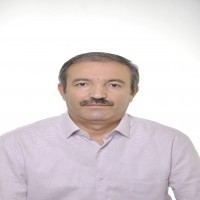

Hatay Hassa’da dünyaya geldi ilköğretimi Eğribucak Köyü İlkokulunda, Orta öğretimi Aktepe Ortaokulunda, Liseyi Hassa Lisesi’nde tamamladı. Lisans eğitimi için Mekke Ummul Qura Üniversitesinde önce dil eğitimi için Arap Dili Enstitüsüne kaydoldu burayı başarı ile tamamlayarak Üniversitenin Şeriat Fakültesi fıkıh bölümüne kaydını yaptırdı buradaki eğitimini de 1994-1995 öğretim yılında başarı ile tamamlayarak yurda döndü.
Önce Hatay- Kırıkhan İHL de sözleşmeli olarak meslek dersleri hocası olarak görev yaptı. Akabinde Van 100. Yıl Üniversitesi Sosyal Bilimler Enstitüsünde Yüksek lisans eğitimine başladı 1995. Enstitü kadrosun geçerek Kelam alanında “Kemaleddin b. Hümam ve Kelam İlmindeki Yeri” başlıklı tezi ile Yüksek Lisansını tamamladı. Daha sonra doktorasını yapabilmek için İstanbul’a geldi. Burada Türkiye’nin en köklü ve kadim sivil toplum kuruluşlularından İlim Yayma Cemiyeti Eğitim biriminde yönetici olarak göreve başladı. Bu görevini yaparken İstanbul Üniversitesi Sosyal Bilimler Enstitüsü Temel İslam bilimleri Bölümü İslam Hukuku Anabilim dalına kaydını yaptırdı.
2007-2008 eğitim öğretim yılında Doktorasını “Hac İbadetinde Yasak Davranışlar” adlı çalışması ile tamamladı. 2010 yılı sonunda İstanbul Üniversitesi İlahiyat Fakültesi İslam Hukuku bölümüne Yard. Doç. Dr. olarak intisap etti. Yayınlanmış eserleri; Bir Fakih Mütekellim: İbn Hümam (El-Müsayere Adlı Eseri Bağlamında), Yalın Yayıncılık, İstanbul, İslam Hukukunda Hac İbadeti (Hac Yasakları), Yalın Yayıncılık, İstanbul 2010, Makale olarak “Hac Menisklerinden; Müzdelife Vakfesi ve Gecelemesi" Sofya İslam Enstitüsünün çıkarttığı dergide Г О Д И Ш Н И К 4/2012, Tebliğ olarak ise “Darulfünun İlahiyat Hocalarından İzmirli İsmail Hakkı’nın İslam Hukuku Konulu Eserleri”, Darulfünun İlahiyat Sempozyumu, İstanbul 18-19 Kasım, 2009. Istanbul University, FSMÜ , Vakıflar Genel Müdürlüğü ve Kuveyt Evkaf Bakanlığının ortaklaşa tertip ettiği 14-15 Mart 2014 tarihindeki "Uluslararası Vakıf Sempozyumu : Osmanlı ve Modern Türkiye Tecrübesinde Para Vakıfları” sempozyumda “Türk Eğitiminde İlim Yayma Cemiyeti ve İlim Yayma Vakfının Yeri” yine FSMÜ İslami İlimler Fakültesinin düzenlediği “Türkiye ve İslam Dünyası” toplantıda “Corporatisation of Waqf “ toplantılarında birer tebliğ sunulmuştur. Ayrıca 3 yıldır düzenli olarak her hafta 10-15 kadar Lisansüstü Hukuk öğrencileri ile Mukayeseli Hukuk okumaları yapmaktadır.
Executive Editör-Kalam
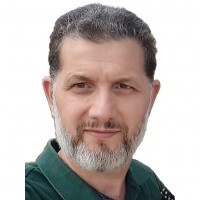
2001 Marmara Üniversitesi İlahiyat Fakültesi mezunuyum, 2006 da aynı fakülteye bağlı olarak "Kelam" bilim dalında yüksek lisansımı, 2015 de ise doktoramı tamamladım. 2022 yılında doçentlik ünvanını aldım.
Executive Editör-Sufism
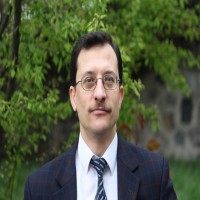
1971’de Bandırma’da doğdu. 1993’te Marmara Üniversitesi İlahiyat Fakültesi’nden mezun oldu. Marmara Üniversitesi Sosyal Bilimler Enstitüsü’nde “İbn Arabî Öncesi Tasavvufta Halvet ve Uzlet” başlıklı yüksek lisansını 1995’te, “Tasavvufta Hâcegân Ekolü XII.-XVII. yüzyıllar" başlıklı doktorasını 2002’de tamamladı. 2006’da doçent, 2012’de profesör oldu. Hâlen Marmara Ün. İlahiyat Fakültesi tasavvuf anabilim dalında öğretim üyesi olarak görevini sürdürmektedir. Osmanlı, Orta Asya ve Hindistan tasavvufu üzerine çalışmaları bulunan Necdet Tosun, İngilizce, Arapça ve Farsça bilmekte olup belli başlı telif eserleri şunlardır: Bahaeddin Nakşbend: Hayatı, Görüşleri, Tarikatı, İstanbul 2002; İmâm-ı Rabbânî Ahmed Sirhindî: Hayatı Eserleri Tasavvufî Görüşleri, İstanbul 2005; Zikir ve Tefekkür, İstanbul 2010; Türkistan Dervişlerinden Yâdigar (Orta Asya Türkçesiyle Yazılmış Tasavvufî Eserler), İstanbul 2011; Derviş Keşkülü, İstanbul 2012; İrfan Bahçesi, İstanbul 2014; Ahmed Yesevi, Ankara 2015. Bunların dışında çok sayıda kitap tercüme etmiş ve bilimsel makale kaleme almıştır.
Executive Editör-Arabic Language and Rhetoric
Executive Editör-Islamic History and Arts

Executive Editör-Philosophy And Religious Studies
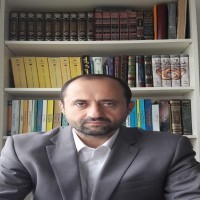
KHALED DUGHIM
DOCTOR LECTURER
Faculty of Theology - Philosophy and Religious Sciences - Religious Education and Psychology of Religion
PERSONAL INFORMATION:
Name Surname KHALED DUGHIM
Place and date of birth Syria - Idlib - Jarjanaz 1976
Nationality Turkish Republic Citizen / 54343771240
Marital status Married / 5 people
Home address Kayaşehir Fenertepe
Mobile phone 05366717556
Email address khaled.dughim@izu.edu.tr
khaleddughaim@gmail.com
EDUCATION
There is an equivalence certificate proving that the student has received education equivalent to a PhD degree.
2022 It was decided by the majority to be promoted to the rank of Associate Professor in the field of Educational sciences from Tripoli University, Lebanon.
PhD in Islamic Studies (Education and Psychology) from Al-Awzai University - Beirut - 2016 AD - Turkish Ministry of National Education Equivalence 2022 AD
Master's Degree, Islamic Sciences, Al Imam Al-Ouzai University, Education and Psychology - Beirut - 2009, Equivalent to the Syrian Ministry of Higher Education 2009 - Turkish Ministry of National Education Equivalence 2022 AD
Master's Degree, Arabic Language, Al-Butana University (Literature, Criticism and Rhetoric) - Sudan - 2018 - Turkish Ministry of National Education Equivalence 2022 AD
Bachelor's Degree, Arabic Language, University of Aleppo – 2011
Bachelor's degree, Islamic Sciences, Damascus University – 1999
WORK EXPERIENCE
Start Date End Date Workplace
2018 Currently Istanbul Sabahattin Zaim University
2021 2022 Istanbul University Faculty of Theology
2018 2021 care schools in Riyadh - Saudi Arabia
2014 2018 Northern Frontier University - Saudi Arabia
2012 2014 Lecturer at Aleppo University - Second Education College
2018 2022 University of Tripoli - Lebanon
Project: BAP–100-56 Scientific research project at Istanbul Sabahattin Zaim University Psychology studies from Islamic perspective
Supervised Master's and Doctoral Theses:
• The master's thesis that I supervised was defended and recorded in the YÖK system.
• He is currently supervising / 9 / master's theses and / 5 / doctoral theses at Istanbul Sabahattin Zaim University.
• I became a member of scientific discussions / 34 / master's and doctoral theses:
Istanbul University Faculty of Theology
And Marmara University Faculty of Theology
Istanbul Sabah al-Din Zaim University Faculty of Islamic Sciences and Faculty of Islamic Economics
And Jinan University in Lebanon
Published research and articles:
Research Title Publisher Publication date
1. Stimuli that Motivate Students in Distance Education in the Context of Primary School Students RumeliDE Journal of Language and Literature
Issue 35 RumeliDE Journal of Language and Literature Issue 35
August 2023
2. The effect of psychological burnout on the job performance of male and female teachers in the liberated north of Syria
Türkiye - Ankara / Journal of Analytic Divinity International Refereed Journal
Next topic
3. The role of dialogue within the Muslim family in building the young man's personality in psychological and behavioral aspects Al-Turath Journal - Zayan Ashour University Jelfi - Algeria - Issue 3 - Volume Ten -
ISSN: 0339-2253
E-ISSN: 2602-6813 22.10.2020 October
4. The role of Arabic language courses at universities in promoting Islamic values among students Turkey - Ankara / Journal of Analytic Divinity International Refereed Journal 12.15.2020
5. The influence of the family on adolescent decisions in Islamic societies: a descriptive and analytical study Journal of Basic Education College for Education and Humanities / Babil University - Iraq Issue 42 - February 2019
6. The role of social solidarity in activating and reinforcing moral values, especially the values (cooperation, brotherhood, generosity, equality and compassion) in Islamic societies Journal of Academic Research and Scientific Publishing Kuwait - Issue 14 / 2020
7. The negative role of contemporary media in adolescent decisions in Islamic societies Journal of Academic Research and Scientific Publishing Kuwait - Issue 14 / 2020
8. Jurisprudence and educational provisions for prayer-related quarantine during Ramadan in light of the Corona epidemic International for the publication of scientific studies Ammaan Jordan
Version 5 - Issue 3, 2020
9. The negative effects of a woman (mother) starting to work outside the home in Islamic societies on raising children - an analytical descriptive study Journal of Academic Research and Scientific Publishing Kuwait - Issue 15 / 2020
10. The psychological dimension of blindness and loneliness in Abu'l-Ala Al-Maarri's poetry and Arabic literature Journal of Theology
ISSN:2667-5153 Türkiye Issue 3 - 24.08.2020
BOOKS:
Book title Publisher Year
Levels of the Spirit According to Ebu'l-Alâ El-Maarrî (449 h. /1057 m.)
Literary and Psychological Analysis of “Saktu’z-Zend” and “Luzûm Mâ Lâ Yelzem” Divans
SONÇAĞ YAYINCILIK MATBAACILIK REKLAM SAN. and TIC. LTD. ŞTI 2022
Islamic educational studies: origins, purposes, methods and effects Ufuk Neşriyat Family Library - Istanbul 2021
Professor Dr. The book “Emotional Aspects of the Lives of the Prophets” by Malek Badri, may God have mercy on him Islamic Center of Virginia, America 2021
The effect of freedom of thought in Islamic education on forming the personality of the adolescent
Dar Al Ghayah - Amman, Jordan 2017
dialogue
Language Editör-Turkish

Language Editör-English
Language Editör-Arabic
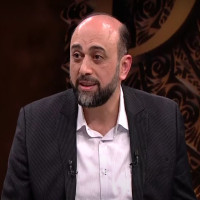
Secretary
Editörial Board
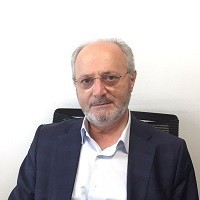

Prof. Dr. Şaban KARASAKAL (orcid.org/0000-0001-9275-4456)
BAİBÜ İlahiyat Fakültesi Temel İslam Bilimleri Bölümü BOLU
1968 yılında Kayseri’de doğdu. 1986’da Kayseri İmam Hatip Lisesi’nden, 1992’de de Erciyes Üniversitesi İlahiyat Fakültesi’nden mezun oldu. Kısa bir süre Kayseri Müftülüğüne bağlı olarak İmam-Hatiplik yaptı. 1992-1994 yılları arasında Van’da öğretmenlik yaptı. 1994 yılı başında Yüzüncü Yıl Üniversitesi İlahiyat Fakültesi’nde Tefsir Anabilim Dalında “araştırma görevlisi” olarak çalışmaya başladı. 1997 yılında “İsrâiliyatın Tefsire Girişi” isimli yüksek lisansını, 2005 yılında da “Kur’ân ve Sosyal Psikoloji” isimli doktora tezini tamamladı. 2010 yılında Şırnak Üniversitesi İlahiyat Fakültesi Tefsir Anabilim Dalında çalışmaya başladı. 2011-2012 yılları arasında Şırnak Üniversitesi Sosyal Bilimler Enstitüsü Müdür Yardımcılığı görevini deruhte etti. 2018-2021 yılları arasında BAİBÜ Akşemseddin İslami İlimler Uygulama ve Araştırma Merkezi Müdürlüğü, 2019 yılında BAİBÜ İlahiyat Fakültesi Dekan Yardımcılığı ve 2018-2019 yılları arasında BAİBÜ Sağlık Kültür ve Spor Daire Başkanlığı Görevinde bulunmuştur. 2012 Eylül’ünde başladığı Bolu Abant İzzet Baysal Üniversitesi İlahiyat Fakültesi Tefsir Anabilim Dalında, Nisan 2017’de Doçent oldu. Ağustos 2022’de profesörlük kadrosuna atandı. Yayınlanmış kitap, telif makale ve çevirileri bulunmaktadır. Arapça ve İngilizce bilmektedir. Evli ve üç çocuk babasıdır.
Yayınlanmış Eserler:
1. Kur’ân’ın İşârî Yorumu -Senâulah Pânipetî’nin et-Tefsîru’l-Mazharî Adlı Tefsiri- Rağbet Yayınları, İstanbul 2015. ISBN: 978-605-9852-04-03
2. Kur’ân ve Sosyal Psikoloji, Emin Yayınları, Bursa 2017. ISBN: 978-605-9464-06-2
3. “Kur’an Kıssaları I”, Kur’ân’ın Ana Konuları Ed. Fatma Asiye Şenat-Sümeyye Sevinç, Lisans Yayıncılık İstanbul 2023. ISBN: 978-625-6549-04-3
4. Töreli Türk Edebiyatı Çalışmaları-2 Çanakkale Şehidlerine (Şerh-Tahlil) Ed. Ertuğrul Karakuş-Abdulkadir Dağlar-Erhan Çapraz, DBY Yayınları, İstanbul 2023. ISBN: 978-625-6769-27-4.
Fatih Oğuzay, 1983 yılı Sakarya doğumludur. 2005 yılında Sakarya Üniversitesi İlahiyat Fakültesi’nden mezun olmuştur. Yüksek lisans eğitimini Sakarya Üniversitesi, Sosyal Bilimler Enstitüsü, İslam Tarihi Anabilim Dalı’nda 2008 yılında, doktora eğitimini ise Marmara Üniversitesi, Sosyal Bilimler Enstitüsü, İslam Tarihi Anabilim Dalı’nda 2016 yılında tamamlamıştır. 2023 yılında doçent olmuştur. Siyer ve İlk Dönem İslam Tarihi alanında çalışmalarına devam etmektedir. Halen Çanakkale Onsekiz Mart Üniversitesi İlahiyat Fakültesi, İslam Tarihi Anabilim Dalı'nda görevini sürdürmektedir.
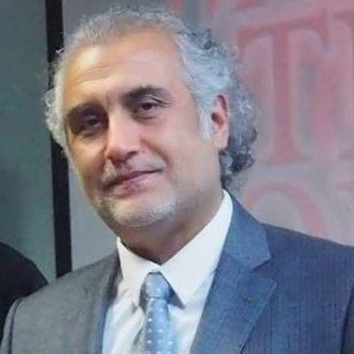


Prof. Dr. Ahmet BOSTANCI
1968 yılında Karabük’te doğdu. İlk ve orta tahsilini burada tamamladı. 1986 yılında girdiği Marmara Üniversitesi İlahiyat Fakültesi’nden 1990’da mezun oldu. Marmara Üniversitesi Sosyal Bilimler Enstitüsü’nde 1992 yılında yüksek lisansını, 1999 yılında da doktorasını tamamladı. 1990-97 yılları arasında Milli Eğitim Bakanlığında İmam Hatip Liseleri meslek dersleri öğretmeni, 1997-2000 yılları arasında da SAÜ. İlahiyat fakültesinde Arapça Okutmanı olarak görev yaptı. 2000 yılında SAÜ İlahiyat Fakültesi Arap Dili ve Belagatı ABD öğretim üyeliğine atandı. 2000-2009 yılları arasında Sakarya Üniversitesi İlahiyat Fakültesinde Yardımcı Doçent, 2009-2014 yılları arasında doçent olarak görev yaptı. 2014 yılında profesör oldu. SAÜ İlahiyat Fakültesinde 2009-2015 yılları arasında Arapça Hazırlık Sınıfları Koordinatörü, 2015-2016 yıllarında Temel İslam Bilimleri Bölüm Başkanı ve 2016-2024 yılları arasında da Fakülte Dekanı olarak görev yaptı. 2011-2025 yılları arasında Sakarya Üniversitesi İlahiyat Fakültesi Vakfı Başkanlığı, 2014-2022 yılları arasında Sakarya Üniversitesi Mevlana Kurum Koordinatörlüğü de yapmıştır. Halen Arap Dili ve Belagatı Anabilim Dalı Başkanlığı görevini sürdürmektedir.
2001-2002 öğretim yılında Milli Eğitim Bakanlığı bursuyla bir yıl süreyle Ürdün’de ve değişik tarihlerde Malezya, Fas, Katar, Kuveyt, Suudi Arabistan, Suriye, Cezayir, Umman, Birleşik Arap Emirlikleri, Mısır, Almanya ve Avusturya gibi ülkelerde kısa süreli olarak alanıyla ilgili çalışmalar yapan Prof. Dr. Ahmet Bostancı, evli ve iki çocuk babasıdır.
Advisory Board




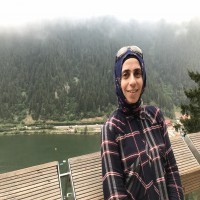
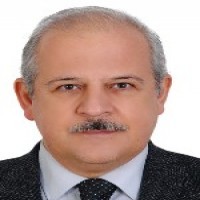
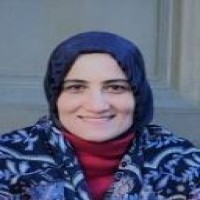
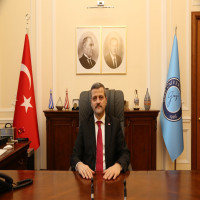
Prof. Dr. Musa YILDIZ
Gazi Üniversitesi
Samsun, 1967.
Eğitim
Derece
Alan
Üniversite
Yıl
Lisans
Arap Dili Eğitimi
Gazi Üniversitesi
1988
Yüksek Lisans
Arap Dili Eğitimi
Gazi Üniversitesi
1992
Doktora
Arap Dili Eğitimi
Gazi Üniversitesi
1998
Doçent
Arap Dili ve Edebiyatı
YÖK Üniversitelerarası Kurul
2002
Profesör
Arap Dili Eğitimi
Gazi Üniversitesi
2007
Lisans
Sosyoloji
Anadolu Üniversitesi
2021
Akademik Hayatı
Görev Unvanı
Görev Yeri
Yıl
Araş.Gör.
Gazi Üniversitesi Gazi Eğitim Fakültesi
1994-1996
Mis.Araş.Gör.
Kahire Üniversitesi Edebiyat Fakültesi
1996-1997
Araş.Gör.
Gazi Üniversitesi Gazi Eğitim Fakültesi
1997-1998
Öğr. Gör. Dr.
Gazi Üniversitesi Gazi Eğitim Fakültesi
1998-2001
Yrd. Doç. Dr.
Gazi Üniversitesi Gazi Eğitim Fakültesi
2001-2002
Doç. Dr.
Gazi Üniversitesi Gazi Eğitim Fakültesi
2002-2003
Doç. Dr.
Ürdün Üniversitesi Edebiyat Fakültesi
2003-2004
Doç. Dr.
Gazi Üniversitesi Gazi Eğitim Fakültesi
2004-2007
Prof. Dr.
Gazi Üniversitesi Gazi Eğitim Fakültesi
2007-
Çalışma Hayatı
Gazi Eğitim Fakültesi Arap Dili Eğitimi Ana Bilim Dalı Başkanı
2002-2003
Gazi Eğitim Fakültesi Yabancı Diller Eğitimi Bölüm Başkan Yrd.
2007-2010
Gazi Eğitim Fakültesi Erasmus Koordinatörü
2007-2010
Gazi Üniversitesi Eğitim Bilimleri Enstitüsü Müdür Yrd.
2010-2011
Gazi Üniversitesi OYP Kurum Koordinatörü (Kurucu)
2012-2013
Gazi Eğitim Fakültesi Arap Dili Eğitimi Ana Bilim Dalı Başkanı
2012-2013
Gazi Üniversitesi Eğitim Bilimleri Enstitüsü Müdürü
2012-2013
Hoca Ahmet Yesevi Üniversitesi Rektör Vekili (Eş Rektör)
2013-2014
Gazi Eğitim Fakültesi Arap Dili Eğitimi Ana Bilim Dalı Başkanı
2014-2019
Hoca Ahmet Yesevi Üniversitesi Mütevelli Heyet Başkanı
2015-2020
Gazi Üniversitesi Rektörü 2020-
Diğer Profesyonel Etkinlikler
Bilig Dergisi Danışma Kurulu Üyesi
Ahmet Yesevi Üniversitesi Türkoloji Dergisi Danışma Kurulu Üyesi
Ahmet Yesevi Üniversitesi Eurasian Research Journal Bilim Kurulu Üyesi
Diyanet Arapça İlmi Dergi Danışma Kurulu Üyesi
Marife Dergisi Danışma Kurulu Üyesi
Hacettepe Üniversitesi Türkiyat Araştırmaları Dergisi Danışma Kurulu Üyesi
Nüsha Şarkiyat Araştırmaları Dergisi, Editörler Kurulu Üyesi
EKEV Akademi Dergisi, Yayın Danışma Kurulu Üyesi
SDÜ İlahiyat Fakültesi Dergisi, Hakem Kurulu Üyesi
Sütçü İmam Ü. İlahiyat Fak. Dergisi, Danışma Kurulu Üyesi
İ.Ü. Edebiyat Fakültesi, Şarkiyat Mecmuası Hakem Kurulu Üyesi
İslâmî İlimler Dergisi, Danışma Kurulu Üyesi
Uluslararası Sosyal Araştırmalar Dergisi, Hakem ve Danışma Kurulu Üyesi
Usul Dergisi, Hakem Kurulu Üyesi
Ankara Üniversitesi İlahiyat Fak. Dergisi, Hakem Kurulu Üyesi
Vakıflar Dergisi Yayın Kurulu Üyesi
Mardin Artuklu Üniversitesi İlahiyat Bilimleri Fakültesi “Artuklu Akademi” Dergisi, Hakem Kurulu Üyesi
Kırıkkale Üniversitesi İslami İlimler Fakültesi Dergisi Danışma Kurulu Üyesi
''TYB Akademi'' Dergisi Bilim Kurulu Üyesi
Düzce Üniversitesi İlahiyat Fakültesi Dergisi Danışma Kurulu Üyesi
Lisanî İlimler Dergisi Danışma Kurulu Üyesi
Bildiği Diller
Arapça, Fransızca, İngilizce ve Kazak Türkçesi.
İletişim
Gazi Üniversitesi Rektörlüğü
Emniyet Mahallesi Bandırma Caddesi No:6/1
06560 Yenimahalle/ANKARA
Telefon: +90 312 223 75 70
+90 312 213 42 44
e-posta: ymusa@gazi.edu.tr
Usul Journal of Islamic Studies is licensed under a Creative Commons Attribution-NonCommercial 4.0 International License (CC BY NC).